Your metabolism can begin to shift as you age, and your nutritional needs in your 60s may look quite different than they did in your 20s and 30s. The good news? The right diet can help you healthily navigate this phase of life. For instance, fiber-rich foods can help support a healthy digestive system and prevent constipation.
Avery Zenker, MAN, RD, a registered dietitian at CrohnsandColitisTeam (MyHealthTeam), who works with clients to support digestive health, manage chronic conditions, and address nutritional deficiencies, recommends consuming a variety of fiber-packed foods daily for solid gut health. You’ll find fiber in five different food groups: fruits, vegetables, whole grains, legumes (lentils/beans), and nuts/seeds.
“Consuming more soluble fiber can be especially helpful because it helps moisten stool. Most foods that contain fiber contain both soluble and insoluble, but they are usually higher in one type than the other,” Zenker explains. “Water brings moisture into the digestive tract, which is needed for well-formed stools. When increasing your fiber intake, it’s important to also stay hydrated, because increased fiber with inadequate water can make things worse.”
Below are 12 must-eat foods to prioritize after 60, according to experts.
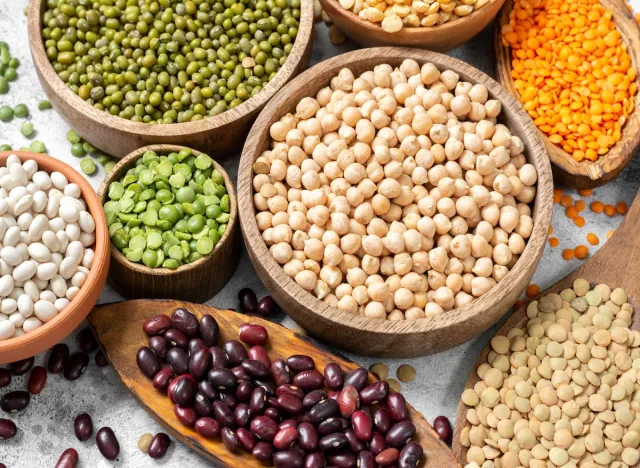
Legumes

Thanks to their protein, polyphenol, and fiber content, legumes can help fight or ward off some of the metabolic health concerns that can occur during midlife, including high cholesterol, insulin resistance, muscle loss, cardiovascular disease, visceral fat gain, and metabolic syndrome, Zenker tells us.
“Legumes are some of the highest fiber foods.The fiber in beans promotes healthy blood sugar, lower cholesterol, appetite regulation, lower body fat, healthy liver and heart, and a balanced gut microbiome. It’s estimated that 95% of American adults aren’t getting enough fiber, and it has consequences over time,” Zenker says. “Beans can contain over 50% of daily fiber targets in just one serving, making them an excellent way to meet your fiber needs. Fiber also promotes healthy bowel movements, helping the body remove metabolic waste. The protein in beans helps support muscle mass and prevents sarcopenia (muscle loss).”
A useful expert tip to keep in mind?
According to Anne Suelzer, RD, LDN, a registered dietitian with Health Loft, “Plant-based iron, known as non-heme iron, isn’t absorbed as efficiently as the iron found in animal foods. Pair beans and lentils with a vitamin C source, such as tomatoes, bell peppers, or a squeeze of lime juice, to help improve iron absorption.”
Legumes like lentils, black beans, and chickpeas serve as a hearty addition to a grain bowl or seasonal soup. They also make for a delicious side to a protein for a well-rounded meal.
RELATED: 11 Foods People Over 55 Should Eat Every Day
Prunes
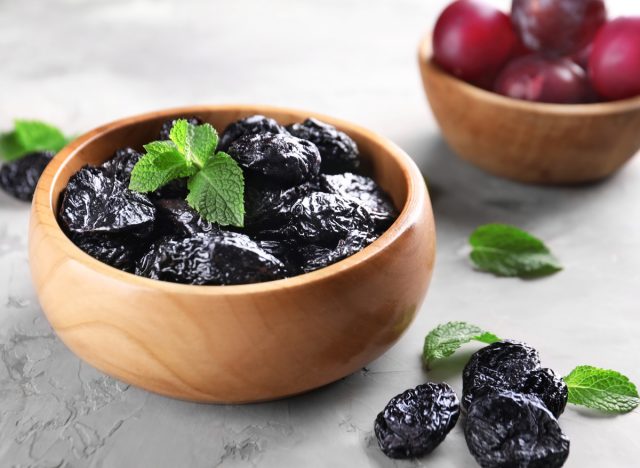
Prunes may get a bad rap, but they’re especially beneficial for adults over 60. In addition to helping with constipation, they may also support bone health—research says so.
“Eating a handful of prunes daily may help reduce risk of bone loss. One study found that eating five to six prunes (50g) daily helped preserve bone mineral density in post-menopausal women,” Zenker points out. “Prunes aren’t a meaningful source of calcium or vitamin D, but they contain polyphenols and antioxidants that are believed to contribute to their bone-supporting benefits.”
Berries

Blueberries, blackberries, strawberries, and raspberries are widely celebrated for their health benefits, many of which have been associated with their phytonutrient content, Zenker says.
“Berries are one of the top food sources of antioxidants, due to their high polyphenol content. The antioxidants in berries help reduce inflammation and oxidative stress that can contribute to the aging process,” Zenker adds. “Blueberries have been linked to reduced risk of health conditions that are more prevalent with aging, like cardiovascular disease and type-2 diabetes. The research suggests that if you want to support your overall health and longevity, eat berries regularly.”
RELATED: 11 Superfoods That Slow Aging after 40, Say Dietitians
Dark Green Vegetables

Growing up, you were likely told to eat your vegetables, and the benefits simply can’t be denied. Dark green vegetables such as spinach, broccoli, bok choy, and kale are some of the most nutrient-dense foods you can consume as you age.
“These vegetables are high in polyphenols that help combat inflammation, fiber that supports a healthy gut, and vitamins and minerals that are essential for eye, brain, bone, and heart health,” Zenker says.
Nuts

Research suggests that regularly consuming nuts may reduce your risk of cardiovascular disease and all-cause mortality.
“Healthy eating patterns such as the Mediterranean Diet include regular nut consumption and are associated with improved heart, brain, [and gut] health,” Zenker adds. “Nuts are also linked to improved metabolic health, including lower rates of obesity and metabolic syndrome.”
Zenker specifically highlights walnuts due to their connection to heart and brain health. Important nutrients in walnuts include fiber, omega-3, polyphenols, vitamins, and minerals.
RELATED: 7 Best Foods to Eat for a Fitter Body After 50
Avocados
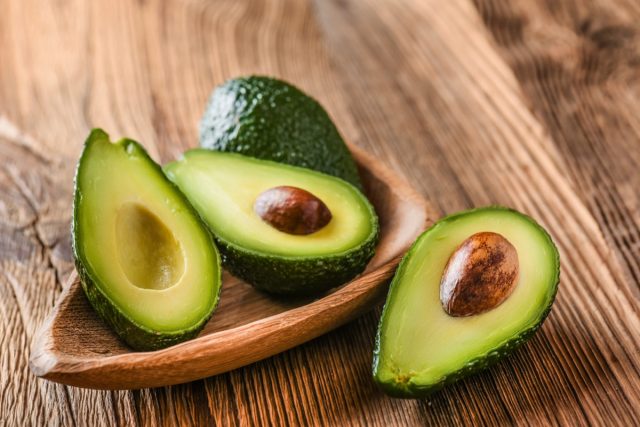
Avocado is a delicious, creamy topping for egg toast, tacos, or a hearty salad. This fruit is a stellar source of healthy fats, fiber, and antioxidants.
“Avocados may also be helpful for older adults with a low appetite who may have difficulty eating enough calories. Avocados are a nutrient-dense source of calories with a high bang-for-the buck,” Zenker says.
RELATED: 10 Best Foods To Look & Feel Younger
Oats

A morning bowl of oats is a simple yet incredibly nutritious breakfast to whip up. Even better—top it off with a handful of fresh berries. According to Heather Ritter, MS, RD, LD with Health Loft, oatmeal pairs nicely with milk or nut butter to boost your protein intake.
“Oats contain a unique type of soluble fiber called beta-glucan, which has been shown to help lower LDL cholesterol. The fiber in oats also supports digestive health and can help improve stool consistency by combatting both constipation and diarrhea,” Zenker tells us.
Soy Protein Foods

Protein is an essential part of a healthy diet after 60, and soy-based foods like tofu can be a simple way to include high-quality plant protein.
“Soy also contains isoflavones, compounds that have been studied for their potential effects on cardiovascular and bone health. Tofu can be great for older adults because it’s soft, easy to chew, versatile, and often easier to digest than meat. Soy milk, tempeh, and edamame are other nutritious soy protein options,” Zenker says.
RELATED: What Happens to Your Body When You Stop Eating Sugar?
Olive Oil
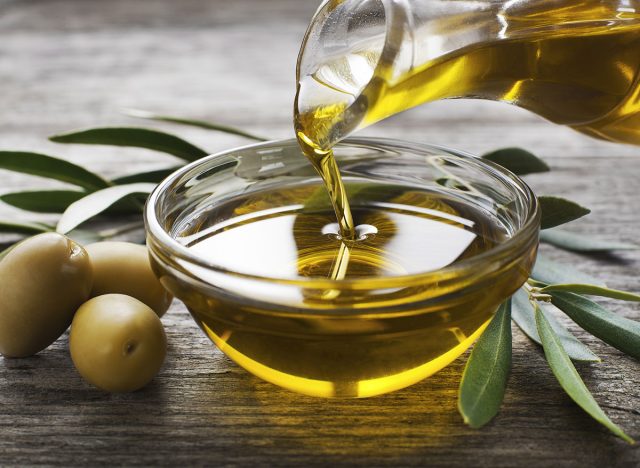
Olive oil contains monounsaturated fats and polyphenols that provide antioxidant and anti-inflammatory benefits. It’s a staple of the MedDiet, which has been consistently associated with improved cardiovascular health and healthy aging.
“[Olive oil] supports heart health by improving cholesterol profiles and anti-inflammatory properties that benefit joint and cardiovascular tissues. It is also an energy dense flavor agent. Appetite tends to decrease with age, so this energy- and nutrient-dense oil is the perfect ingredient to use for any recipe,” explains Giana DiMaria, RDN, instructor of medicine at New York Medical College.
Swapping out butter and other sources of saturated fat with a good-quality olive oil is a wise idea. It’s also a simple way to add extra flavor to vegetables, whole grains, and legumes, Zenker says.
RELATED: 5 Chain Restaurant Meals That Pack a Full Day of Sodium
Eggs

According to DiMaria, eggs offer highly bioavailable protein, which means your body absorbs and uses it efficiently.
“They are also one of the best dietary sources of choline, a nutrient essential for cognitive and muscle health,” DiMaria explains.
The best part about eggs is their versatility. You can savor them in a breakfast egg bake or omelette or atop an avocado toast for added protein.
Greek Yogurt

Greek yogurt provides a concentrated source of protein that helps fight muscle loss. After you hit 60, muscle becomes less sensitive to amino acids and calls for a higher dose of protein to activate muscle growth and repair, DiMaria explains.
“It is also rich in calcium for bone health and contains probiotics—live beneficial bacteria that support a diverse and healthy gut microbiome, which also helps enhance immunity which compromises with age,” DiMaria adds.
If you’re looking to kill two birds—aka get your fill of protein and calcium—with one stone, Greek yogurt is an excellent choice.
“As we age, maintaining muscle mass and bone strength becomes increasingly important. It’s also a convenient option for people who find themselves without an appetite,” says Suelzer.
Consider pairing plain Greek yogurt with nuts or fruit. According to Ritter, this food’s lower lactose content is typically easier to digest.
Salmon

If you’re looking to up your protein game, salmon and other fatty fish are tasty options to consider.
“Salmon, sardines, and trout provide high-quality protein for muscle preservation, omega-3 fatty acids for heart health, and dietary vitamin D to assist calcium absorption and bone maintenance,” explains Ritter.
The post 12 Must-Eat Foods After 60 appeared first on Eat This Not That.


